***
(For more of my long-form articles that were previously published, please visit my Blog HERE.)
As a therapist, it's not my job to tell clients what to do or not do--it's my job to ask questions
that lead clients to their own answers. However, couples therapy is a bit different in that there are things that should and should not be done if you want to have a successful relationship.
For example, the Gottmans are famous for their "Four Horsemen", where they state, from their own research, that if you do one or more of these damaging behaviors on a regular basis, your relationship will end. Naturally the conclusion is that couples should try to avoid these strategies. No further
questions are necessary!
However there is also a camp in professional circles that thinks therapists have a responsibility to advocate for their clients' well-being, which often means being directive at times. I find this to be helpful--why would a therapist hold onto information he or she knows and force a client to find it out the hard way?
The mid-ground approach is to present a helpful directive by saying: "I have noticed that this works for a lot of people. Do you think it might work for you?" This approach both reveals the therapist bias while still preserving the clients' autonomy and ability to choose their own solutions.
So how does my thinking on
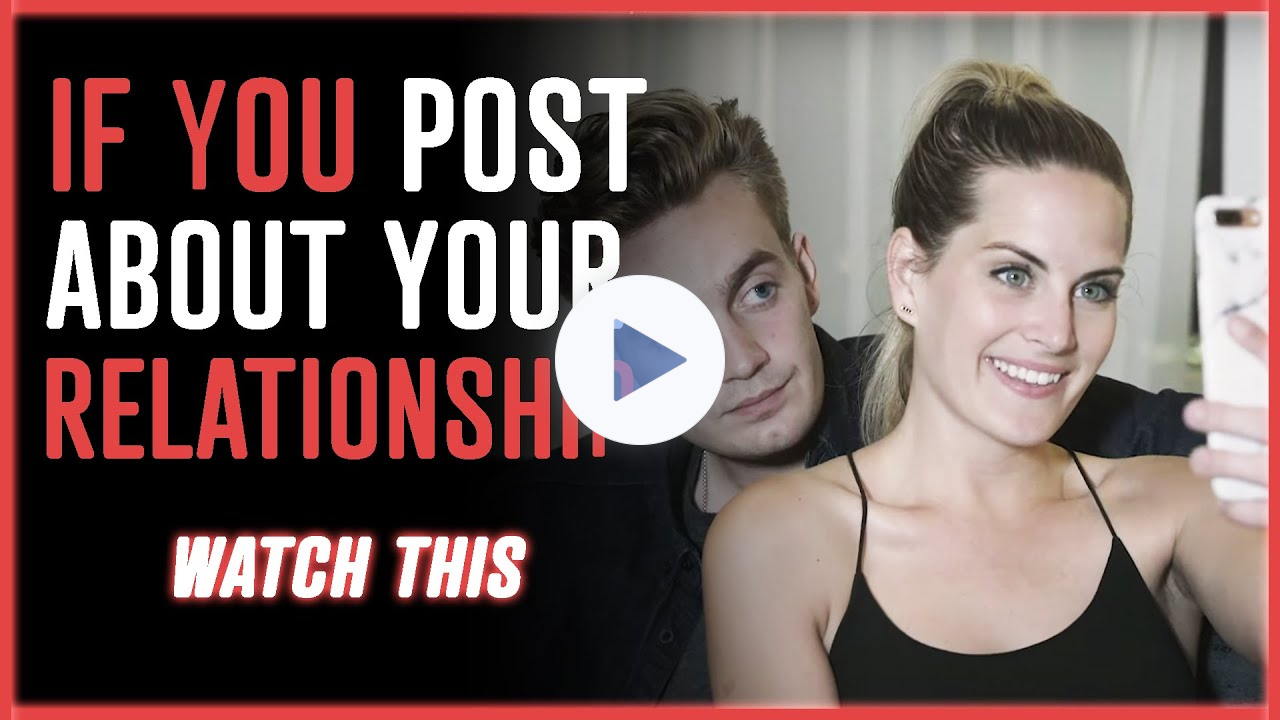
social media use in relationships play into this? Well, it is not as simple as defining it as good or bad. When evaluating its value for couples, I use the same lens I use for any of their behaviors by asking "Is it working for the relationship?" Like many things couples do, it is important to look at the purpose of that activity and whether it helps the relationship thrive or not, based on their definition of thriving. Easier said than done, so let's look
at some of the complexities with addressing this issue.
To keep reading this article, please click HERE.